
Scientists have discovered that the same E. coli bacteria often blamed for food poisoning might also be capable of turning old plastic bottles into paracetamol, the common pain reliever found in Tylenol. Though it sounds like science fiction, a new study published in Nature Chemistry walks through how it works, and it’s surprisingly straightforward.
The whole process hinges on a reaction called the Lossen rearrangement. Chemists have been using this reaction for more than a century to transform certain molecules into primary amines, which are key ingredients for a wide range of things, including pharmaceuticals. Despite its versatility, the Lossen rearrangement has always been considered a lab-only tool and definitely not something you’d expect to happen inside a living organism.
Until now.
For the first time, researchers have shown that this reaction doesn’t need a lab setup at all. It can take place inside E. coli without the need for any exotic enzymes or genetic reprogramming, requiring just phosphate, a molecule that already exists naturally in the cell. With new breakthroughs, the reaction now runs without harming the bacterium and occurs under ordinary conditions.
Instead of stopping at a proof-of-concept, the researchers asked a bigger question: Could this reaction do something useful? They picked a target called para-aminobenzoic acid (PABA), a compound that bacteria need in order to grow. When they fed E. coli a precursor molecule that was designed to undergo the Lossen rearrangement, the bacteria flawlessly turned it into PABA, even bringing a PABA-deficient strain of E. coli back to life in the process. This result proved that the reaction was happening naturally and had functional benefits for the bacterium.
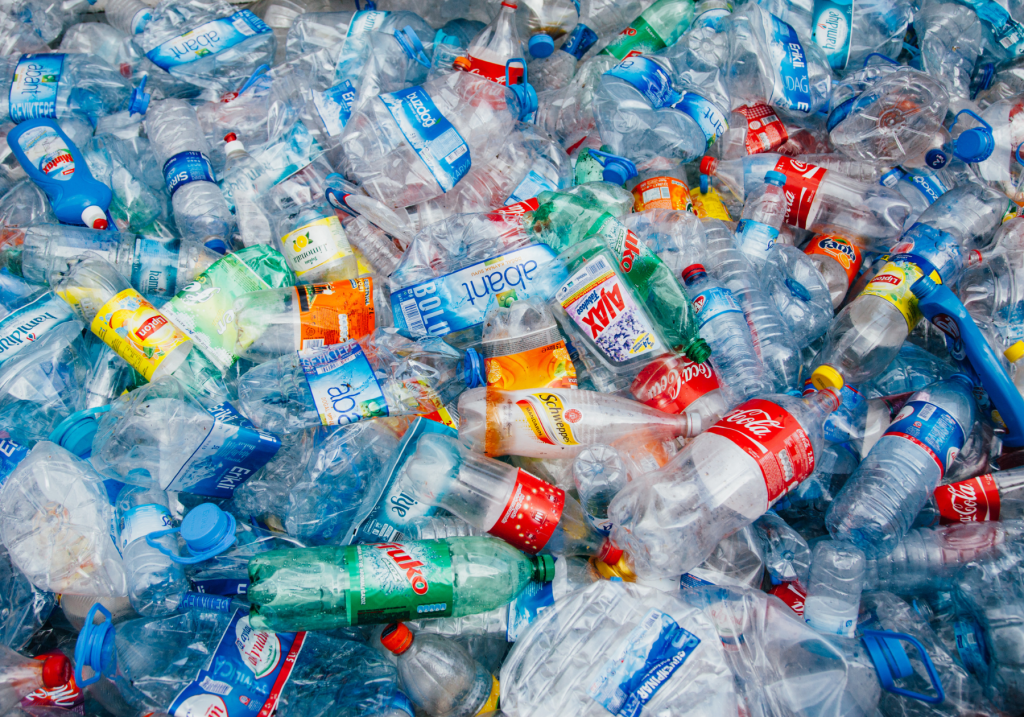
Interestingly enough, the Lossen precursor that was used can also be made from PET plastic, the same plastic that is used to make water bottles and food containers. So now you have a process where plastic waste is broken down into a simple chemical, that chemical is fed to bacteria, and the bacteria use it to grow. With the help of a few genetic tweaks, they can go a step further and turn that chemical into paracetamol.

However, this isn’t just about making one drug from one kind of plastic. It’s a proof of concept, a glimpse at how living systems can be paired with synthetic chemistry to create new capabilities, capabilities that neither system could achieve alone. This newfound ability not only allows us to tackle one of the most urgent waste problems on the planet but also opens a gateway into a future where humanity can use genetic engineering to sustainably solve a variety of issues.
The possibilities are truly endless, limited only by our imagination. Could we one day engineer microbes that turn plastic into protein, or nutritional supplements, or biodegradable materials?
Though this new breakthrough presents itself as a lifeline, it’s not a solution yet. You can’t just toss a soda bottle into a bacterial culture and expect to harvest Tylenol by the end of the day. There are preprocessing steps involved such as breaking down the plastic, refining the chemicals, and optimizing the reaction conditions.
On the industrial side of things, scaling up the prototype systems, reducing costs, and integrating it with real-world plastic breakdown methods will all take time. Despite the challenges this breakthrough faces, it lays the foundation for a more sustainable future.
So next time you toss a plastic bottle into the recycling bin and wonder where it ends up, think about this: maybe, someday, it could become part of the cure for your next headache. All thanks to some smart science, a century-old reaction, and a bacterium that just keeps surprising us.
Great read!!