
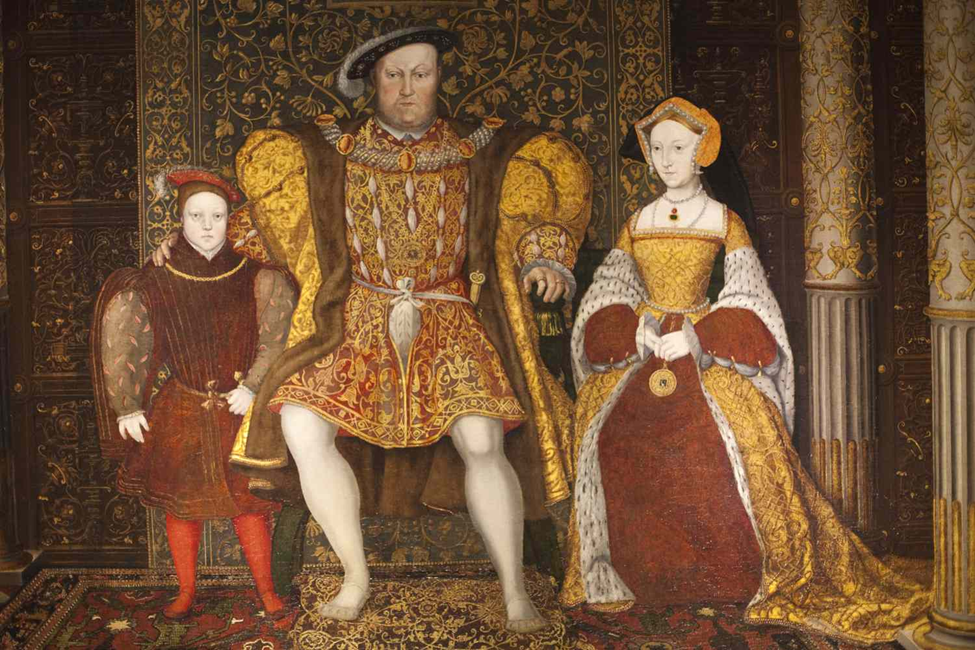
Pictured above is one of the most recognizable faces in British royalty along with his son and daughter who also go on to become monarchs of England as Mary I, also known as Bloody Mary, and Edward VI. King Henry VIII had garnered a lot of humorous notoriety in the last few years especially in social media’s meme culture as ‘that one king who had 6 wives’.
This quite obviously indicates and makes light of the king’s lust that led him to marry 6 times, which is although true but is also ignorant of the many mistresses he had, most of them being his wives’ ladies-in-waiting. Something this notoriety has not considered however is an even bigger and grave consequence of this lust that happened during his reign and something that led to the rise of an entirely new denomination of the church separated from the popular Roman Catholic Church of the time.
The church in question here is the Church of England or the Anglican Church, or as it is known as today, the Anglican communion. So how did this particular church come to be and why is it the official state church of England instead of the Roman Catholic Church or some other form of Protestantism?
Interestingly enough, as debated this topic is in itself, sources largely point to two names, Thomas Wolsey and Anne Boleyn. Towards the end of his marriage with Catherine of Aragon, Henry VIII had largely been attracted by her ladies-in-waiting, the most by Anne Boleyn, who later worked with Henry VIII to have his own marriage annulled. For this task, Henry appointed Cardinal Wolsey who had been a loyal friend and tried on three different cases, or fronts, to the Pope Clement VII to have Henry’s marriage annulled. By the end of this, the Pope sent a representative Campeggio to England who ended up delaying the case so much that it was suspended in July 1529. This was shortly followed by Wolsey being removed from his position and dying the year that followed.
Following these major events, the stones started shifting when Thomas Cranmer, one of Henry’s Reformationist allies, was appointed the Archbishop of Canterbury in 1533 by the pope upon Henry’s insistence. The English Parliament further passed the Act in Restraint of Appeals and later, the First Act of Supremacy, the former of which rendered England free of papal authority and therefore, gave Thomas Cranmer, the highest religious authority after the King, the authority to allow Henry VIII’s divorce from Catherine of Aragon so that he could finally marry Anne Boleyn, who he already had secretly married which is why he wanted to rush the divorce process as much as possible.
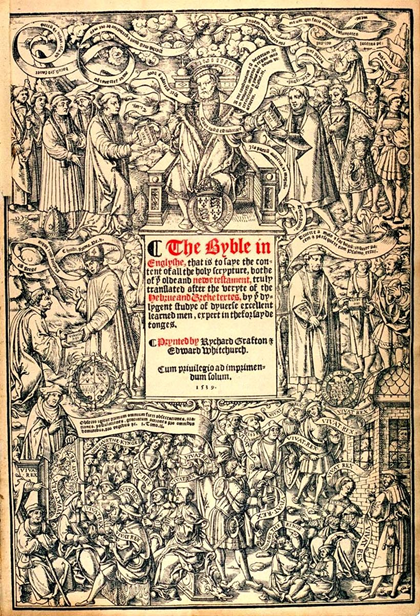
So how does this affect modern life? The Anglican Communion has spread farther than the British Isles with strong roots in the USA as well. One of the most jarring differences between this denomination and other common denominations is certainly the fact that the Anglican church ordains women as deacons, priests and bishops making it one of the more progressive denominations of this day. Another interesting detail within this denomination is that the Anglican communion also allows its bishops and priests to marry unlike the traditional Roman Catholic Church which requires its clergy to be celibate.
While born from challenging beginnings, the Anglican Church or rather, the Anglican Communion now has grown to establish itself as one of the more prominent denominations among the Christian world even today. Considering its passionate advent to the world and its rise to prominence leaves food for thought for what other parts of regular life may have had ironically unorthodox stories.