
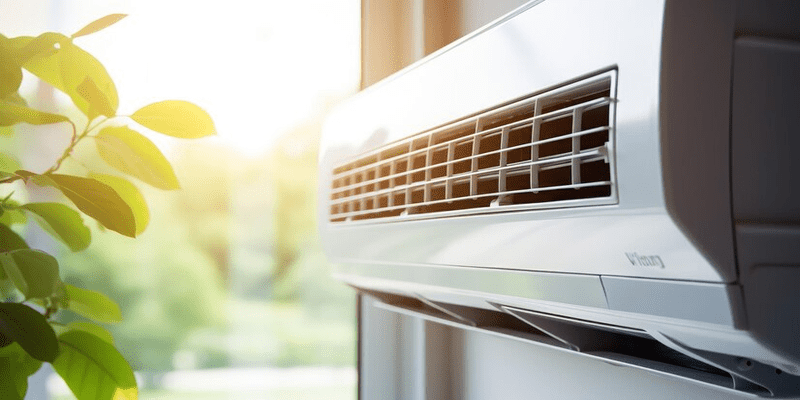
Imagine stepping inside on a sweltering summer day. The moment you enter, a refreshing wave of cool air surrounds you, offering instant relief from the heat. Air conditioning is more than just a way to cool a room. It is a remarkable feat of engineering that regulates temperature, controls humidity, and improves air quality. But how does this everyday technology actually work?
The Basics of Air Conditioning
At its core, an air conditioner transfers heat from inside a space to the outside. This is accomplished through a cycle of compression, condensation, expansion, and evaporation. Unlike a fan that simply moves air around, AC actively removes heat and moisture, creating a more comfortable environment.
Key Components of an AC System
Refrigerant – A special chemical that changes between liquid and gas to absorb and release heat.
Compressor – Pressurizes the refrigerant and increases its temperature.
Condenser Coil – Releases heat outside and cools the refrigerant into a liquid.
Expansion Valve – Reduces the pressure of the refrigerant before it enters the evaporator coil.
Evaporator Coil – Absorbs heat from indoor air and cools the air that gets circulated back into the room.
Blower and Air Ducts – Distribute cooled air throughout the space.
The Refrigeration Cycle: How AC Keeps You Cool
The refrigeration cycle follows four essential steps:
Compression – The compressor increases the pressure and temperature of the refrigerant gas.
Condensation – The hot refrigerant gas moves to the condenser coil, where it releases heat outside and turns into a high-pressure liquid.
Expansion – The liquid refrigerant passes through the expansion valve, dropping in pressure and temperature.
Evaporation – The cold refrigerant enters the evaporator coil, absorbs heat from indoor air, and turns back into a gas. The cycle then repeats.

Types of Air Conditioners
Different AC systems cater to various cooling needs. The most common types include:
Central AC – Cools an entire building by distributing air through ducts.
Split-System AC – Has an indoor and outdoor unit, commonly found in homes.
Window Units – Compact and self-contained, ideal for single rooms.
Portable AC – Moveable units for flexible cooling in different spaces.
Ductless Mini-Split – Provides targeted cooling without the need for extensive ductwork.
Not Just Cooling: Humidity and Air Quality Control
Air conditioners do more than lower temperature. They also reduce humidity by condensing moisture from the air, making spaces feel less sticky and more comfortable. Many modern systems include air filters that trap dust, allergens, and pollutants, improving indoor air quality.
Energy Efficiency and Modern Innovations
Advancements in AC technology have led to greater energy efficiency and smart features. Key innovations include:
Inverter Technology – Adjusts compressor speed to maintain a consistent temperature with less energy.
SEER Ratings – Seasonal Energy Efficiency Ratio (SEER) helps measure efficiency, with higher numbers indicating better performance.
Smart Thermostats – Allow users to control temperature remotely and optimize their energy use.
Eco-Friendly Refrigerants – Newer refrigerants like R-410A and R-32 replace older, ozone-depleting chemicals.
Evolution and What Comes Next
Air conditioning has come a long way from its early mechanical beginnings. It has shaped modern living, making hot climates more tolerable and transforming how people work and sleep. As energy demands grow, the focus is shifting to smarter, greener solutions.
Solar-powered AC systems, ultra-efficient heat pumps, and AI-driven climate control are leading the way. Soon, staying cool may rely less on traditional electricity and more on self sustaining energy sources. With each breakthrough, air conditioning is becoming not only more effective but also more sustainable.